

Discover top commercial locksmith services in Richmond Hill for master key solutions, rekeying, and high-security locks.
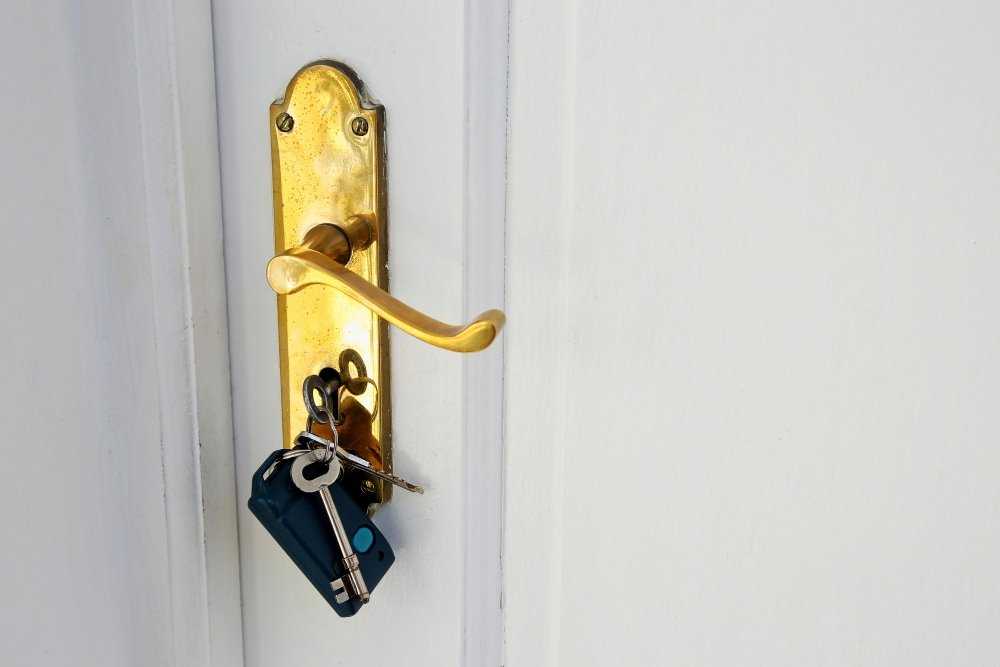
If you run a business in Richmond Hill, you don’t just need locks—you need a plan. A well-designed master key system keeps daily operations smooth (one key where you need it), tightens security (no more “mystery duplicates”), and scales as you grow. Below is a practical, business-friendly guide to the top commercial locksmith services in Richmond Hill, with a spotlight on master key solutions—what they are, how they’re designed, and how to roll them out with minimal disruption.
We’ve also pulled key facts from the local provider’s site so you know what’s actually available in Richmond Hill right now—licensed pros, round-the-clock help, and full-service commercial capabilities.
Why master key systems matter for Richmond Hill businesses
A master key system lets different keys open different sets of doors, while a higher-level “master” opens all (or many) of them. That gives you tight control over who can access what—without burying staff in key rings. Properly designed systems use a hierarchy (e.g., individual keys → department master → grand master) and pair it with a clear key control policy (issuance, tracking, recovery, and auditing). Industry leaders like ASSA ABLOY and Allegion emphasize planning the hierarchy up front and enforcing strict key control to keep the system secure over time.
Benefits at a glance
- Convenience without chaos: Fewer keys for managers, specific keys for staff.
- Tighter security: Restricted or patented keyways make unauthorized duplication difficult.
- Scalability: Add departments, suites, or new buildings without redoing everything.
- Lower long-term cost: Rekey strategically instead of replacing hardware every time someone leaves.
Commercial locksmith services you can get locally
Richmond Hill businesses have access to licensed, full-service commercial locksmithing—including fast help when something breaks at 2 a.m. The local provider highlights 24-hour emergency response, commercial expertise, and over a decade of service to the area. That’s the combination you want when you’re securing inventory, records, and revenue-generating spaces.
Here’s what a complete commercial lineup typically includes (and what you should expect to ask for):
- Master key system design & implementation
- Hierarchy planning (user keys, sub-masters, department masters, grand master).
- Choice of restricted keyways to control duplication.
- Pinning schedules, documentation, stamping/marking, and secure key ledger setup.
- Rekeying & key control refresh
- Change cylinder combinations after staffing changes.
- Replace non-restricted keys with restricted or patented keys to stop unauthorized copies.
- High-security cylinders & cores
- Interchangeable cores (IC) for quick swap-outs.
- Patented key systems with strong pick/drill resistance.
- Door hardware upgrades
- Grade 1 commercial mortise or cylindrical locks for high-traffic openings (ANSI/BHMA standards).
- Door closers, exit devices (panic bars), strikes, and trim—installed to code.
- Keyless & smart access
- Standalone keypad locks, card/fob readers, or wireless smart locks for offices and storerooms.
- Hybrid setups that keep mechanical keys as fail-safe.
- Emergency lockout & urgent repairs (24/7)
- For lock failures, lost keys, or after-hours incidents—critical for operations continuity.
- Compliance & life-safety alignment
- Hardware choices guided by relevant ANSI/BHMA standards; attention to fire-rated openings and egress rules. (Your locksmith should spec the right functions and grades for each door.)
A quick primer: how master keying actually works
At its core, a pin-tumbler cylinder is built with stacks of pins. By inserting “master pins” (small spacers), a lock can accept more than one key cut—enabling a hierarchy where one key opens just Room 203, while another opens all second-floor offices. The art is balancing convenience (fewer keys) and security (restricting who can open what). Leading guides recommend mapping your hierarchy in stages, labeling cylinders and keys consistently, and controlling who can request duplicates.
Typical hierarchy example (three levels)
- Level 1 – Change keys (CK): Individual rooms/suites.
- Level 2 – Master key (MK): Department or floor.
- Level 3 – Grand master (GMK): Entire building (or campus).
If you manage multiple buildings or a campus, you may introduce a Great Grand Master (GGMK) tier so executives or facilities leaders can respond anywhere. Expect your locksmith to sanity-check the tree so you don’t accidentally over-authorize a key (a common planning pitfall).
What makes a top commercial locksmith in Richmond Hill?
Beyond the basics, the local provider indicates three differentiators that matter:
- Licensed & experienced: They present as a licensed company with 12+ years locally—useful when you need code-compliant, durable hardware choices.
- Commercial focus & certification: They specifically advertise commercial locksmith services—ask for technicians who are comfortable with Grade 1 hardware, exit devices, and restricted key platforms.
- 24-hour response: Emergencies don’t wait for business hours; responsive support reduces downtime for your team and customers.
The step-by-step process to implement (or fix) a master key system
1) Discovery & door survey
Walk every opening. Note door function (office, storage, server room, pharmacy, etc.), fire rating, traffic level, and any code constraints. This dictates lock function and grade (Grade 1 for heavy traffic).
2) Draft the keying hierarchy
Start with today’s needs; plan for growth. Define who needs to open what—by role, not person. Choose how many master levels you truly need (more levels = more combinations but higher complexity). Use worksheets from established guides to plan it cleanly.
3) Choose cylinders & keyway strategy
Opt for restricted/patented keyways with a clear duplication process (e.g., authorized signatures only). Decide whether IC cores are worth it for fast rekeys during turnover.
4) Hardware selection to standards
For high-traffic entries and perimeter doors, go ANSI/BHMA Grade 1 mortise or cylindrical. Select door closers and exit devices that match occupancy and egress needs. Your locksmith should reference BHMA summaries and lock standards during spec.
5) Pinning, stamping & documentation
Each cylinder gets a code; each key gets controlled stamping (no “Do Not Duplicate” only—use restricted blanks). Set up an issuance log (employee, key number, date, signature) and audit schedule.
6) Pilot & train
Test a representative set of doors before full rollout. Train managers on issuing keys, logging returns, and what to do if a key is lost (often: rekey affected areas only).
7) Maintain & evolve
Schedule annual audits. Update the plan when departments move or your footprint changes. Revisit whether any doors should move to electronic access for better reporting.
Hardware that earns its keep (and meets code)
For commercial spaces, especially high-traffic or high-risk doors, Grade 1 hardware is the norm. ANSI/BHMA A156.13 covers mortise locks (commonly used on main entries and heavy-use doors), with defined operational and security grades after testing cycles and strength. Ask your locksmith which function (e.g., storeroom, office, classroom) fits each opening and whether the lock is UL listed for fire-rated doors where applicable.
Quick take: If a door sees constant use (front doors, warehouse entrances, restrooms in busy venues), Grade 1 typically pays for itself in durability and lower service calls.
Use cases: how Richmond Hill businesses typically structure keys
Professional offices
- Staff: suites and shared spaces only
- Office manager: departmental master
- Principal/owner: building master (and server/storage where needed)
Retail & hospitality
- Associates: sales floor + assigned stockroom
- Supervisor: department master (all stockrooms)
- General manager: store master; safe/office on separate, tightly controlled keys
Warehousing & light industrial
- Operators: work areas only
- Supervisors: zone masters (dock, cage, compressor)
- Facilities: GMK + mechanical rooms, roof access
Healthcare/education
- Staff: assigned classrooms/clinics
- Department leads: floor or wing master
- Administration/facilities: GMK, with restricted, audited issuance—especially where meds/records are stored
These patterns all rely on documented key control and clear issuance/recovery processes—your locksmith can set up the paperwork and stamping standards to keep it tight.
What to ask your locksmith (so you get the best result)
- “Will my system use restricted or patented keyways?”
You want keys that cannot be duplicated at random kiosks. - “Which ANSI/BHMA grade are you specifying for each door?”
Grade 1 for heavy-use/critical doors, Grade 2 for lighter-duty interiors (case-by-case). - “How will we document the hierarchy and track keys?”
Expect issuance logs, key stamps, cylinder charts, and an audit schedule. - “What’s the plan for lost keys or staff turnover?”
With IC cores or thoughtful sectioning, you can rekey affected areas only. - “Can we mix electronic access on certain doors?”
Often yes—add card/fob or keypad access at entries while keeping mechanical backup.
Why choose a Richmond Hill–based, 24/7, licensed pro
Local, licensed locksmiths know the building patterns and business needs here—from standalone shops to larger campuses. The featured Richmond Hill provider notes 24-hour emergency service, commercial specialization, and more than a decade serving local customers—exactly what you want when you’re trusting someone with your master key plan and your after-hours uptime.
Need help fast or want to start a master key discussion? You can reach the local team directly by phone for quotes and scheduling.
Rollout checklist
- Walk every door; list function, traffic, and code constraints.
- Map a three-level hierarchy (CK → MK → GMK), expanding only if necessary.
- Choose restricted keyways; define who can authorize duplicates.
- Specify Grade 1 hardware on critical/high-traffic openings.
- Create issuance logs; stamp keys/cylinders consistently.
- Pilot on a small set of doors; train managers.
- Schedule audits; plan for growth (new tenants, new suites).
FAQs: Top Commercial Locksmith Services in Richmond Hill
What’s the difference between rekeying and a master key system?
Rekeying changes a lock’s internal pins so old keys no longer work—great after turnover. A master key system is a planned hierarchy that lets certain keys open multiple locks (e.g., department master), while others open only one. Most businesses use both: rekey for events, master key for day-to-day control.
Do we have to replace all our locks to get a master key system?
Not always. Many existing commercial locks can be rekeyed and integrated, especially if they’re standard commercial cylinders. Your locksmith will advise on what to keep vs. upgrade to meet durability and code.
What hardware grade should my busiest doors have?
Front entries, perimeter access, and heavy-use restrooms typically call for ANSI/BHMA Grade 1 hardware for longevity and security.
Can we combine electronic access with mechanical keys?
Yes—many organizations run a hybrid: electronic access (cards, fobs, keypads) on main doors and mechanical master keys elsewhere, maintaining redundancy and cost control.
How do we stop employees from making extra copies?
Use a restricted/patented keyway and a written key control policy that limits duplication to authorized requests only—tracked in your key ledger.
Getting started in Richmond Hill
When you’re ready to upgrade or implement a master key system, look for a licensed local locksmith with commercial depth and 24/7 responsiveness. Richmond Hill businesses can tap a provider that advertises exactly that profile—licensed, more than a decade of local service, and commercial capabilities with emergency coverage. From a quick lockout to a campus-wide keying plan, they can meet you where you are and scale as you grow.
To begin, do a short discovery call:
- Share your door count and major spaces (front entry, offices, storerooms, mechanical, IT).
- Explain staffing patterns (who needs access where).
- Ask for a site survey and a keying plan draft with hardware recommendations by ANSI/BHMA grade.
Prefer to talk to a local human? Call the Richmond Hill team via the phone listed on their site’s contact page to schedule service or request a quote.
The bottom line
Top commercial locksmith services in Richmond Hill center on reliability (24/7 response), professional design (clear key hierarchy and documentation), and durable, standards-compliant hardware. Pairing all three gets you the essentials: fewer headaches, stronger security, and a system that grows with your business.
Call to Action
Secure Your Business with the Top Commercial Locksmith Services in Richmond Hill
Get expert master key solutions, rekeying, and high-security locks tailored to your business needs.
📞 Call Now: (912) 727-3878
🌐 Visit Us: www.richmondhillgalocksmiths.net
📅 Available 24/7 – Fast, reliable, and licensed locksmith service.